
Table of Contents
Why Integrated Finance Systems Are the Secret Weapon for UK SMEs
An insight-led guide explaining how integrated finance systems help UK SMEs save time, reduce errors, improve cash flow, and scale efficiently without operational drag.

December 29, 2025

Trying to run a growing business on disconnected finance tools is like trying to conduct an orchestra where every musician is following a different score.
You might still produce sound. But harmony? Timing? Control? That’s another story.
For UK SMEs and startups, fragmented finance systems quietly drain time, introduce risk, and slow decision-making. Integrated finance systems, by contrast, don’t just tidy up operations, they become a strategic advantage.
This isn’t about chasing the latest software trend. It’s about building a finance function that is lean, reliable, and ready to scale.
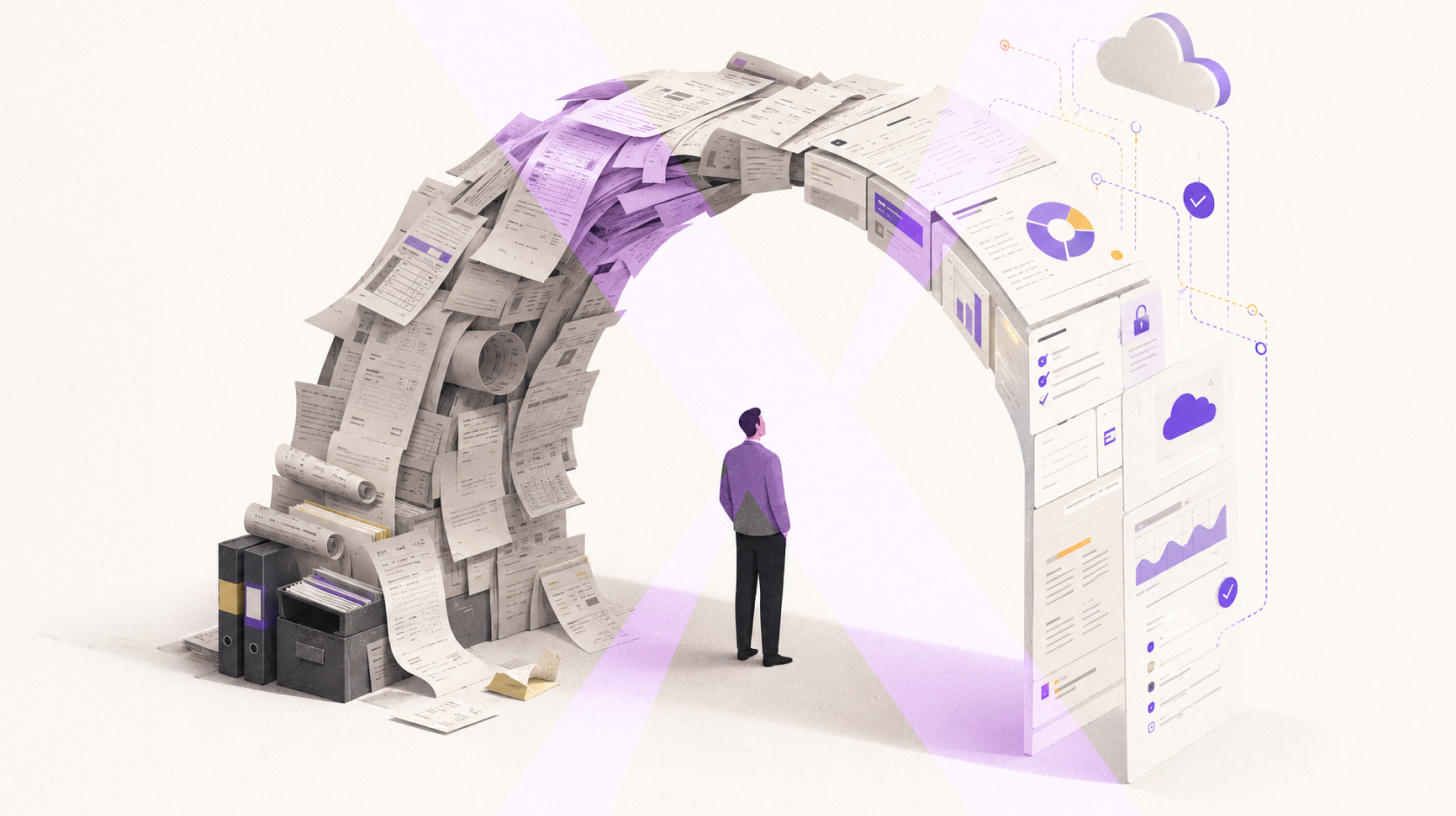
When Finance Tools Don’t Talk, People Have To
Most small businesses don’t set out to build messy systems. Fragmentation happens gradually.
A bookkeeping tool here.
An expenses app there.
Payroll on something else.
CRM in a different universe.
Soon, finance teams spend more time moving data than understanding it. Spreadsheets become glue. People become bridges between systems.
That’s not efficiency. That’s operational risk.
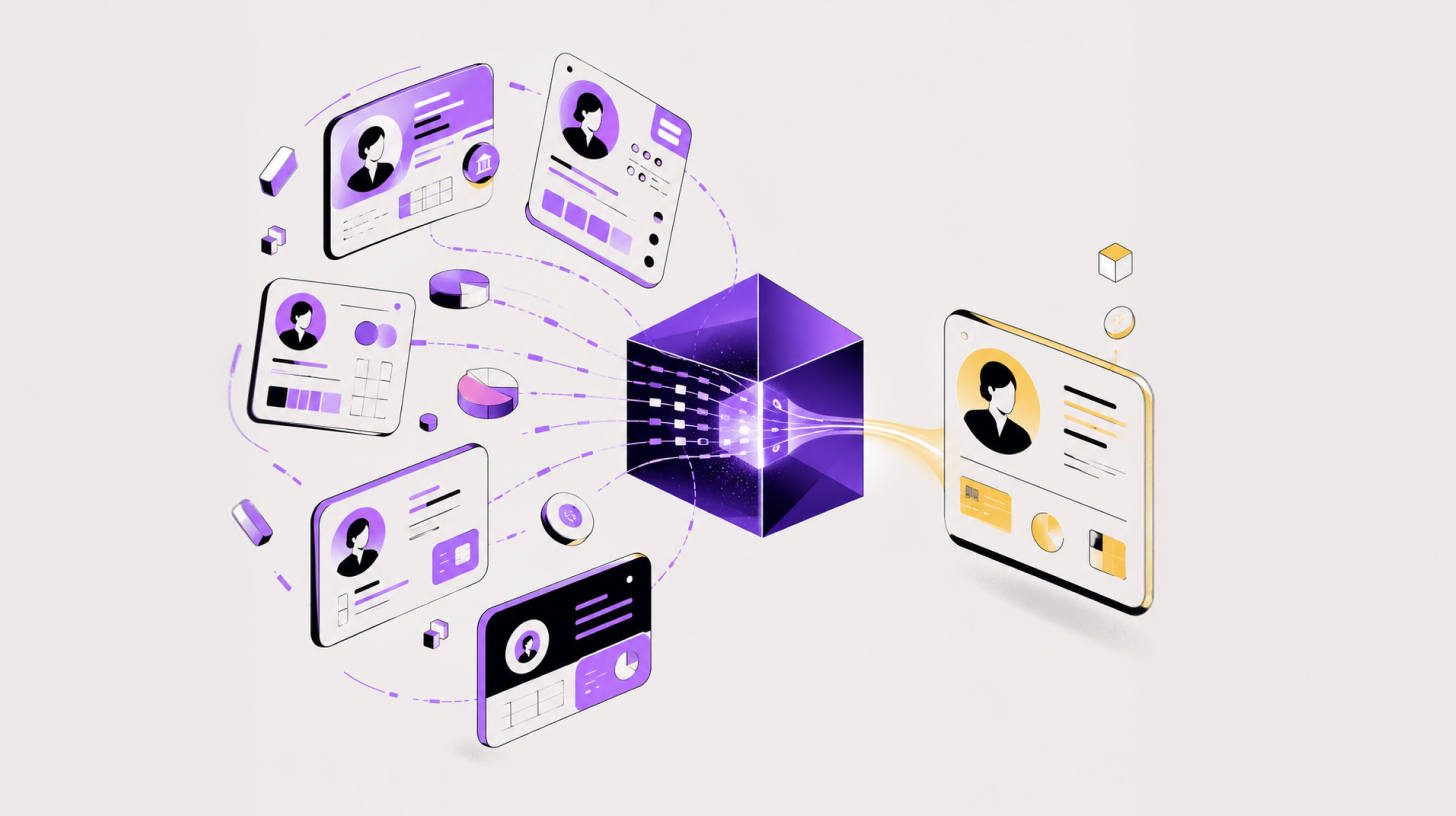
Integrated finance systems remove the need for translation. Data flows automatically and cleanly to where it belongs.
1. Giving Time Back to the Business
Manual data entry is one of the most expensive habits in an SME not because it’s obvious, but because it’s constant.
Re-keying invoices.
Copying expenses.
Reconciling hours.
Integration eliminates duplication at the source.
- A receipt scanned once appears instantly in your accounts
- A sale closed in your CRM creates an invoice automatically
- Approved timesheets flow directly into payroll
No double entry. No chasing. No late nights at month-end.
The result isn’t just saved hours, it’s regained focus.
2. Fewer Errors, Stronger Trust in the Numbers
Every manual handoff introduces friction. And friction breeds mistakes.
A mistyped figure here.
A missed transaction there.
A discrepancy that only surfaces at year-end.
Integrated systems remove unnecessary steps, meaning data moves directly from source to ledger. Reports become consistent. Numbers align. Audits feel calmer.
When leadership trusts the numbers, decisions happen faster and with confidence.
3. Cash Flow That Actually Moves
Cash flow isn’t just about profitability. It’s about velocity.
Integrated finance systems accelerate how money moves through your business:
- Invoices connect directly to payment platforms
- Customers pay in clicks, not cheques
- Payments reconcile automatically
UK SMEs using integrated payment systems often get paid significantly faster without extra chasing, calls, or admin.
Cash flow stops crawling. It starts flowing.
4. Cost Control Without Growing the Back Office
Fragmented systems often lead to a familiar response: hire another pair of hands.
But integration changes the equation.
A lean finance team, supported by connected systems, can handle:
- More transactions
- More staff
- More reporting
- More compliance
…without proportional increases in headcount.
That’s not just cost-saving.
That’s scalable design.
5. Real-Time Visibility Beats Rear-View Reporting
Disconnected systems produce reports that look backwards. By the time they’re ready, the moment has passed.
Integrated finance systems offer live visibility:
- Sales forecasts feed into cash flow projections
- Project costs roll straight into profitability reports
- Decision-makers see what’s happening now
This agility is a quiet advantage especially in competitive or uncertain markets.
6. Stability in a Volatile World
People leave. Markets shift. Software changes.
When finance knowledge lives in spreadsheets or individuals’ heads, resilience is fragile. Integrated systems institutionalise knowledge. Processes continue even when circumstances change.
The business keeps moving — calmly, predictably, compliantly.
Integration Isn’t Optional. It’s Infrastructure
For UK SMEs, margins are thin and time is precious. An integrated finance system isn’t a luxury add-on.
It’s infrastructure.
It’s what allows:
- Growth without chaos
- Insight without delay
- Compliance without panic
Lean. Accurate. Scalable.
That’s the quiet power of integration.
How We Help
At Elixir, we design fully integrated, digital-first finance systems for UK SMEs , aligned with MTD requirements and supported by Chartered expertise.
Our focus isn’t software for software’s sake.
It’s clarity, control, and confidence as your business grows.
If your finance systems feel fragmented, now is the time to reconnect them.
Book a discovery call to explore how integrated finance can become your competitive advantage.
share article
OTHER’s favourites

Subscribe to Elixir
Join 5,000+ leaders getting weekly insights
Thank you! Your submission has been received!
Oops! Something went wrong while submitting the form.


Meet The Expert Team Guiding You at Every Step
About Elixir

