
Table of Contents
Is Your Business Actually Data-Driven Or Just Running on Spreadsheets?
Most UK SMEs believe they're data-driven but their 'system' is five disconnected spreadsheets pretending to be one. This blog unpacks the hidden costs of fragmented finance tools and makes the case for integration

May 29, 2026
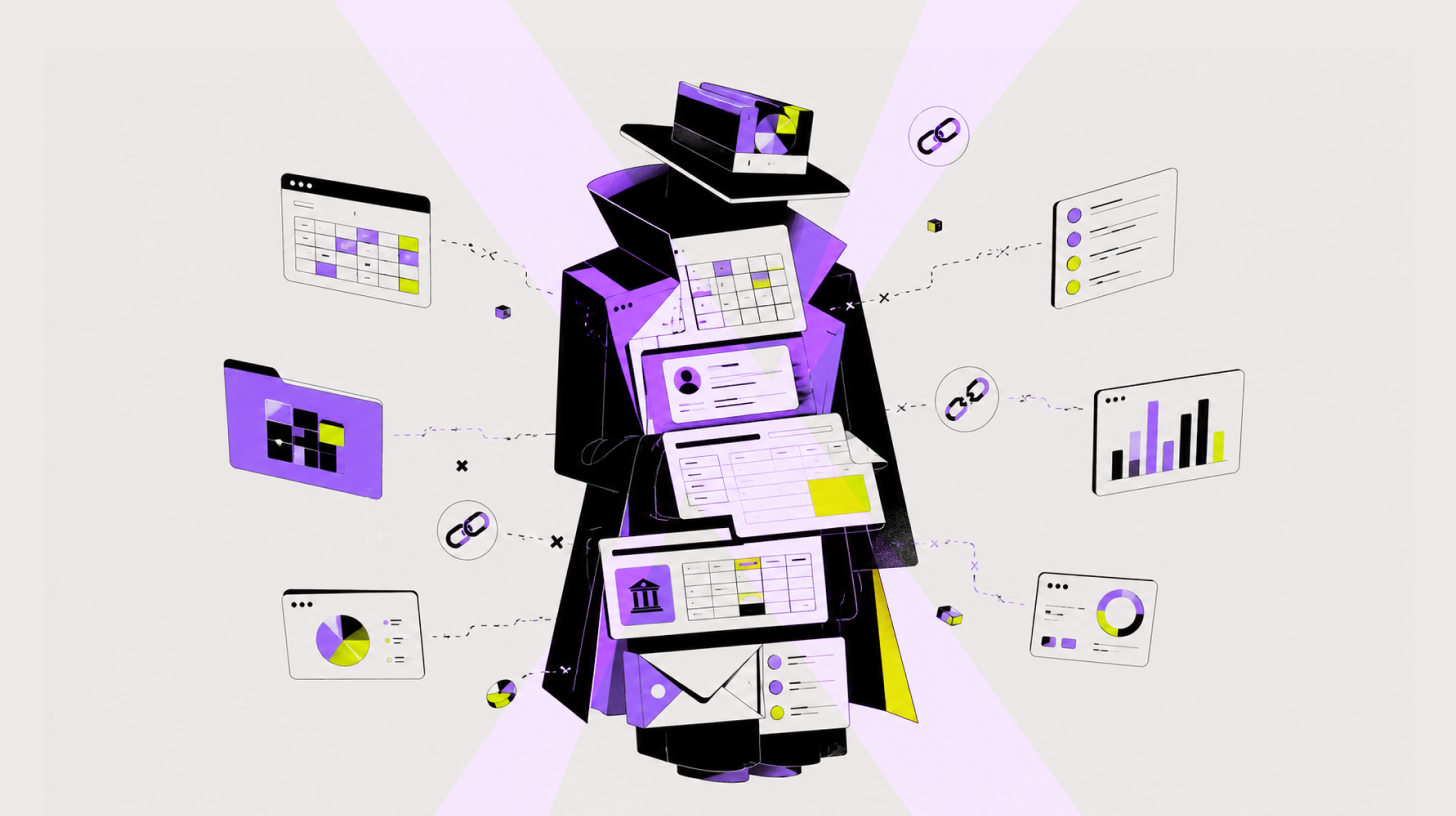
The Spreadsheet Trap Most UK Founders Don't See Coming
Ask most UK SME founders whether they are data-driven, and they will say yes. They will point to their CRM. They will mention their cloud accounting software. They might even show you a dashboard.
Look a little closer, and a different picture emerges. The sales pipeline lives in HubSpot. The invoices are in Xero. Expenses are buried in someone's email inbox. The cash flow forecast lives in an Excel file that only one person knows how to update and that person is usually the founder, usually at 11pm on a Sunday.
The bank reconciliation exists in another spreadsheet that frequently disagrees with the first one.
It works. Sort of.
Until HMRC asks a question. Until a lender wants management accounts. Until a buyer asks for trailing-twelve-month numbers.
That is when the system or what passes for one starts to show its cracks.
The Real Problem Isn't More Software
Most growing UK businesses are not short of software. They have accounting tools, CRM platforms, payroll systems, project management tools, and payment processors. In many cases, they are paying for all of them simultaneously.
The problem is not a lack of technology. The problem is that none of it talks to each other properly.
The result is a business that technically has data but practically cannot use it. Every time a decision needs to be made, someone has to go and find the numbers, reconcile them, check them against something else, and present them, usually too late to act on effectively.
That is not business intelligence. That is archaeology.
Five Hidden Costs of Disconnected Finance Systems
The cost of running on disconnected systems is rarely a line item. It hides in plain sight, spread across your team's working hours, your decision-making quality, and your risk exposure.
1. Manual work that never gets done
When systems do not integrate, your team becomes the middleware. Someone is always exporting, importing, copying, pasting, and checking. This is expensive time, and it is almost always time that could be spent on higher-value work.
2. Slow decisions made on stale data
If your margin report is six weeks old , which it often is when it requires manual assembly. You are making hiring, pricing, and investment decisions without current facts. In a fast-moving market, that is a serious disadvantage.
3. Weak audit trails
HMRC expects businesses to maintain clear, traceable records. Manually assembled spreadsheets introduce gaps. Who entered that figure? When was it last updated? Can you trace a transaction from invoice to bank statement without a spreadsheet bridge in between? If not, you have an audit vulnerability.
4. Poor compliance evidence
As Making Tax Digital (MTD) requirements expand, UK businesses will need to demonstrate digital record-keeping. Spreadsheets, even sophisticated ones, are increasingly inadequate as compliance evidence particularly for VAT returns, self-assessment, and eventually income tax under MTD for ITSA.
5. Lower business value at exit
When the time comes to sell, merge, or raise investment, buyers will want clean, consistent management information. A business that cannot produce reliable trailing-twelve-month figures, clear margin data, or a reconciled cash position will attract a lower valuation or derail the deal entirely.
What Integration Actually Means
Integration is not a buzzword, and it is not about buying new software.
It means getting the tools your business already pays for to behave like one system. It means a customer record in your CRM becoming the foundation for an invoice in your accounting software, which connects to your bank feed, which feeds your cash flow forecast.
One source of truth. Flowing in one direction. No one retyping reality.
When integration works, the finance function changes. Month-end becomes a review rather than a rescue mission. Management reporting becomes a dashboard check rather than a three-day rebuild. HMRC compliance becomes a matter of record retrieval rather than frantic assembly.
What This Series Covers
Over the next nine blogs in this phase, we will unpack the specific symptoms of disconnected data and show what properly integrated systems actually change:
- The translation problem: Why the same customer has three different names across your systems.
- The six-entry problem: How one sale gets entered multiple times and what that costs
- The shadow spreadsheet: Why your team trusts a side file more than the ledger
- Month-end as a rescue mission and what it looks like when it becomes a review instead
- How bad data creates confident mistakes
- Why the bank balance is not a cash management tool
- The difference between integration and automation
- How to establish data ownership before buying more tools
If your finance function feels held together with hope, manual exports, and someone who knows where the spreadsheet lives, this series is for you.
The fix is not more spreadsheets. It is not always a bigger finance team. It is integration.
We will show you what that looks like in practice.
share article
OTHER’s favourites

Subscribe to Elixir
Join 5,000+ leaders getting weekly insights
Thank you! Your submission has been received!
Oops! Something went wrong while submitting the form.


Meet The Expert Team Guiding You at Every Step
About Elixir

